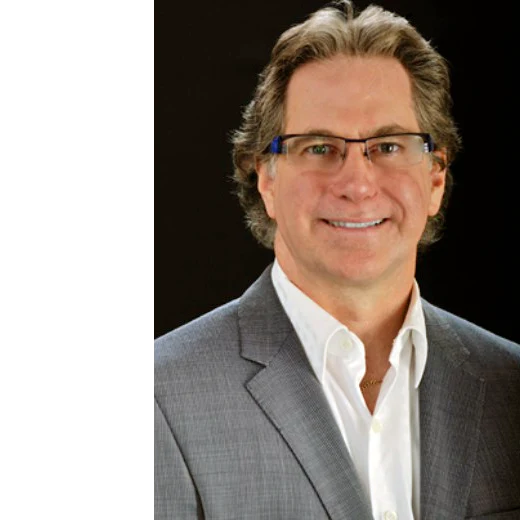
As one of the Directors of the company, I had my first introduction to laser therapy for baldness in 1999 at our founder's Laser Hair Clinic. At that time, I was 35 years old and had already been experiencing hair loss for five years. I tried topical solutions, which I found to be very inconvenient and messy, and nothing worked. Then I heard about Laser Therapy. Laser Phototherapy, as it is referred to in the medical community, is a safe, effective therapy to treat hair loss without any reported side effects.
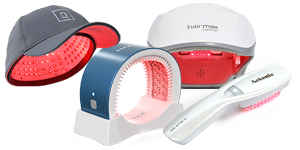
Soon after I started laser treatments at the Sydney Hair Clinic, my hair became thicker and fuller, my hair loss subsided, and I re-grew a significant amount of lost hair. I also experienced a dramatic improvement in the condition of my hair and my dandruff subsided. I was so amazed at the results that I began a working relationship with the founder of the Laser Hair Clinic, who was a pioneer in the use of Laser Phototherapy for hair. The idea of the Hairmax® LaserComb was born. We joined efforts to develop a prototype of an affordable hand-held laser therapy device for the treatment in hair loss so everyone could experience the same exciting results that I had experienced. After several years of research, design and development, our efforts resulted in the Hairmax® LaserComb.
At Hairmax International, our primary focus is to assist individuals suffering from the emotional effects of hair loss. Positive customer experiences and user satisfaction are our primary goals. We hope that after you have read this material you will decide to try the Hairmax® LaserComb for yourself. It has worked successfully not only for me, but for tens of thousands of men and women just like you.
 Skip to content